


Our metals drive machines, bring light into our houses, transmit words and pictures across large distances, and do thousands of other useful and important things.
Paul Schwarzkopf, founder


Paul Schwarzkopf is a successful manufacturer in Berlin, although high energy prices in the German capital put pressure on the young company. Schwarzkopf is therefore looking for a site with cheap energy, which he finds in Reutte. There, the water rights of lake Plansee are up for sale. The hydroelectric power plant at Plansee is not only indispensable for electricity supply, but also gives its name to the new company, which is founded in 1921.
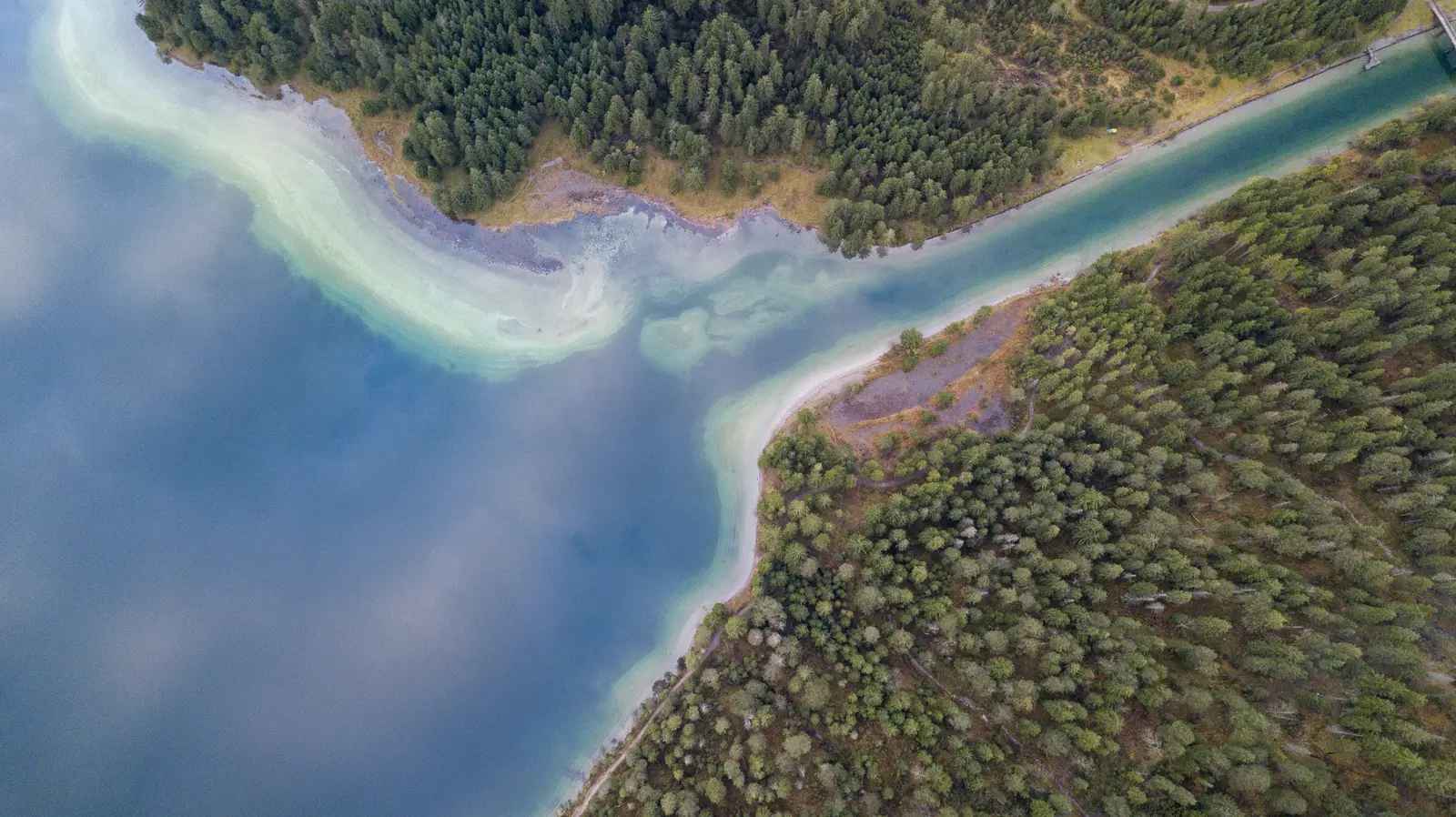
The first production buildings and a small office building are built within a year and, on November 16, 1922, production starts at the metal works in Breitenwang/Reutte, Tyrol with 15 employees.
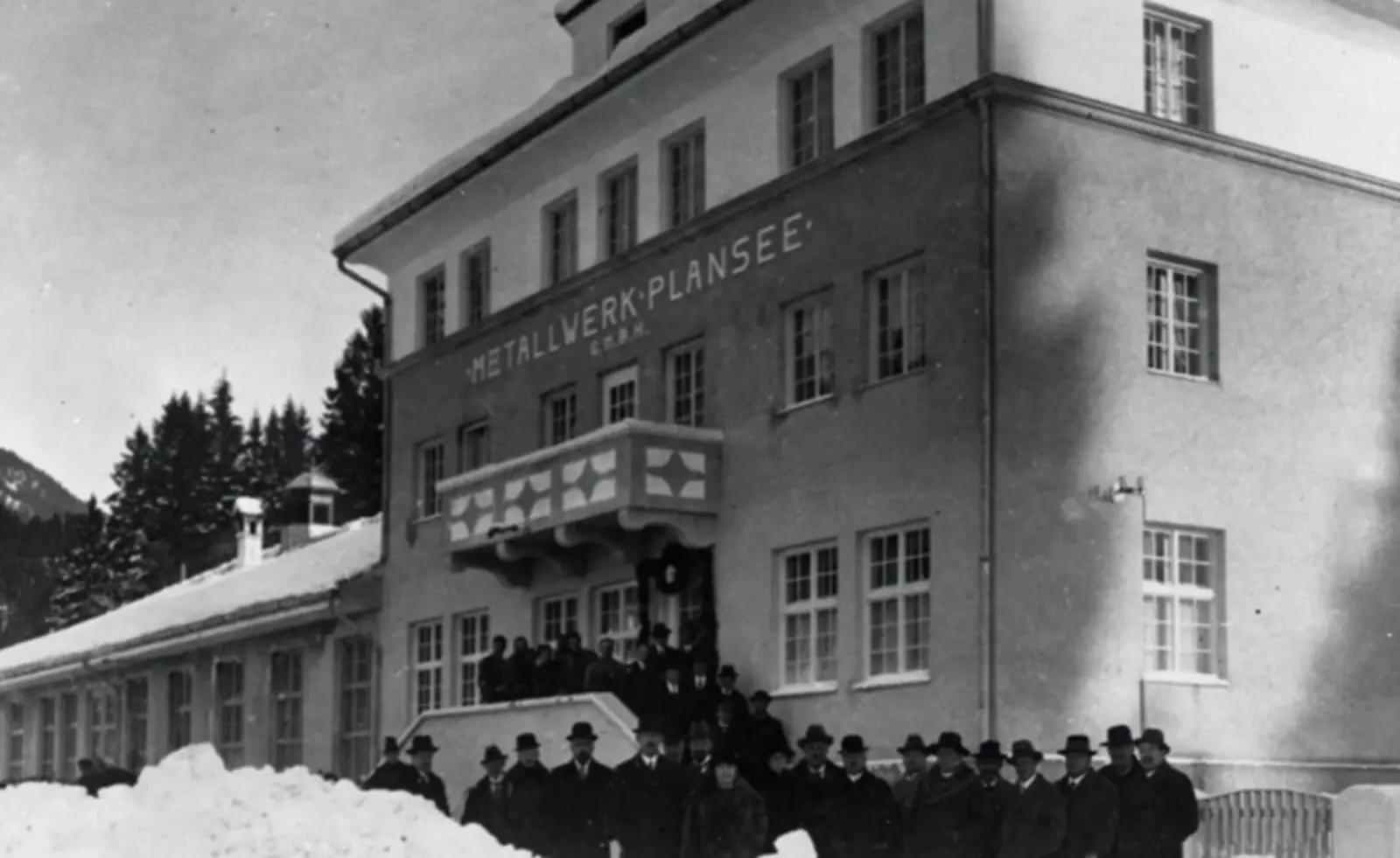
From day one, the company undergoes successful economic growth. In 1929, Paul Schwarzkopf makes a breakthrough in the development of carbides with a high carbide/solid solution content, such as titanium, vanadium or tantalum. Schwarzkopf files several patents and starts series production of carbide.
Politically, times are becoming difficult: In Germany, the National Socialists come to power. Paul Schwarzkopf decides to go to the USA. Shortly thereafter, the factory is expropriated and converted into an armaments plant. In 1947, Schwarzkopf returns and wants to reclaim "his" factory. The path is rocky, but the returnee succeeds, and from 1954 he is once again the owner of the Plansee metal works in Reutte.

Paul Schwarzkopf stands up for what matters to him. And so, during the "recapture" of his metal works, he pursues something that has been close to his heart since the start of his entrepreneurial journey: the promotion and exchange of information between scientists.
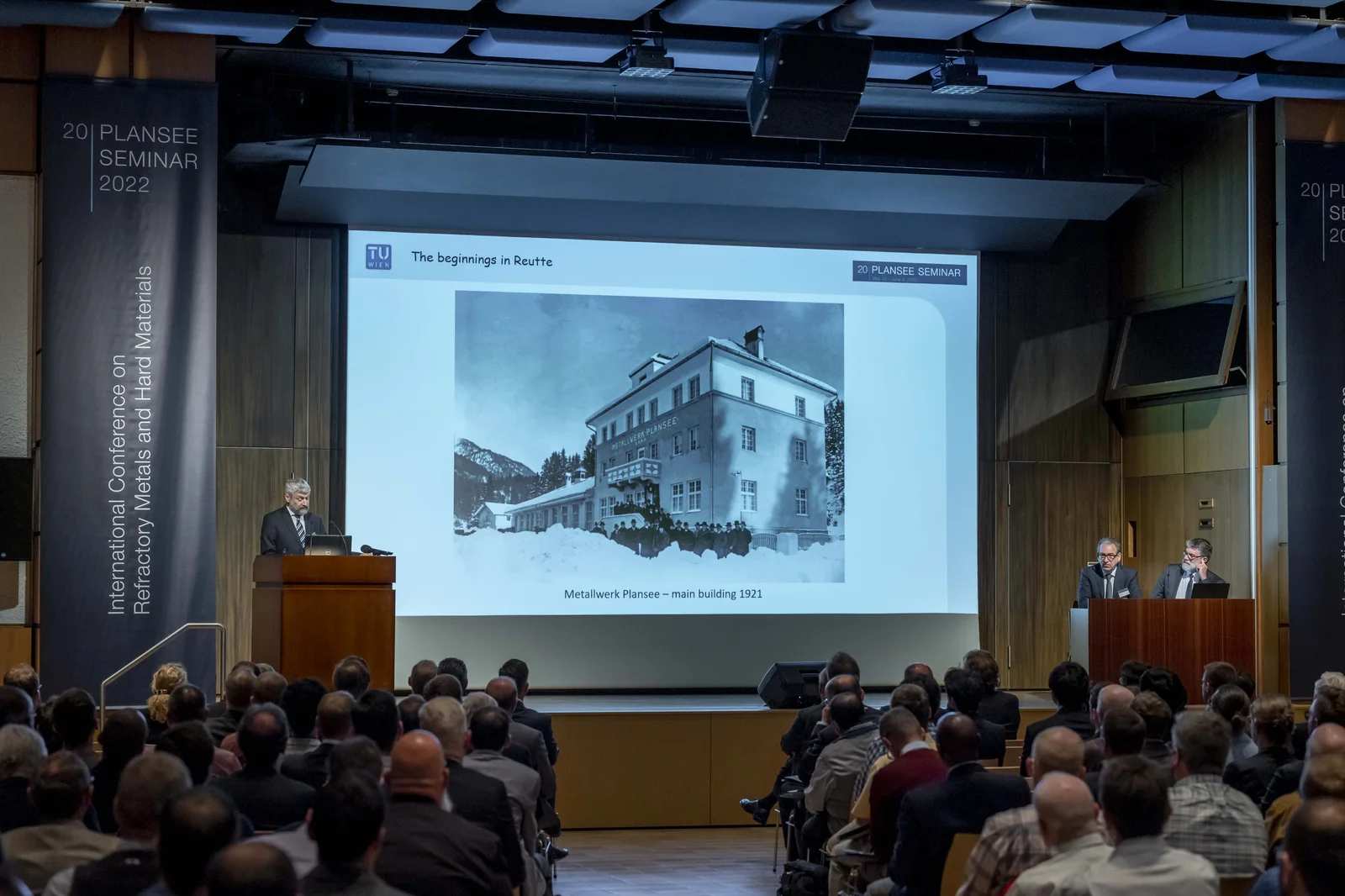
The holder of a doctorate himself, the now 66-year-old invites scientists to Reutte for the Plansee Seminar for metal physics and powder metallurgy for the first time in 1952. To Schwarzkopf, who has always considered himself a researcher and developer, networking and cooperation are more important than competition.
And so it comes to be that over 200 renowned scientists and technicians from around the globe gather at the first Plansee Seminar in Reutte, Tirol – a global event in the small and tranquil region. The Plansee Seminar has since become a tradition: In 2022 it took place for the 20th time.
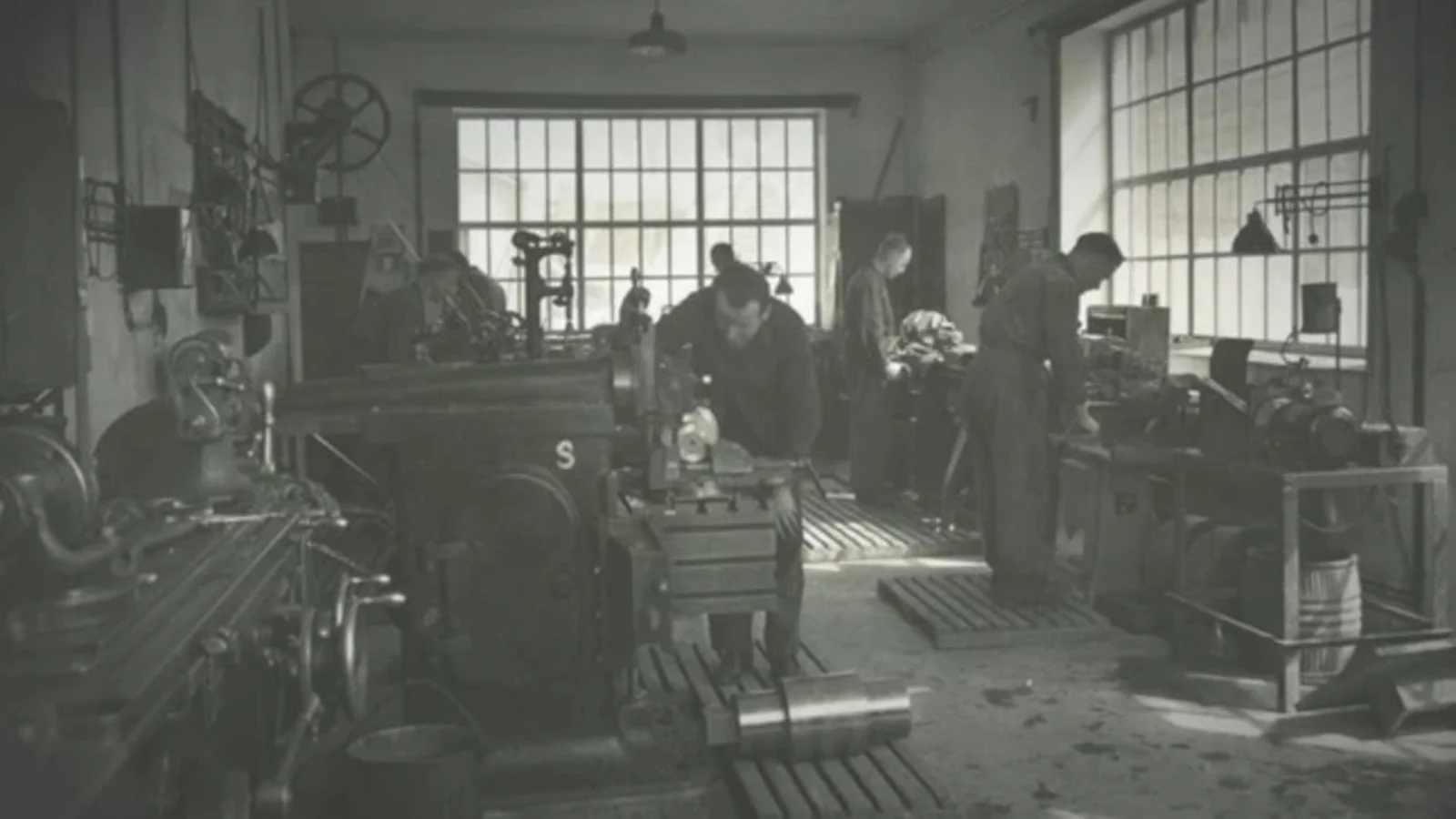
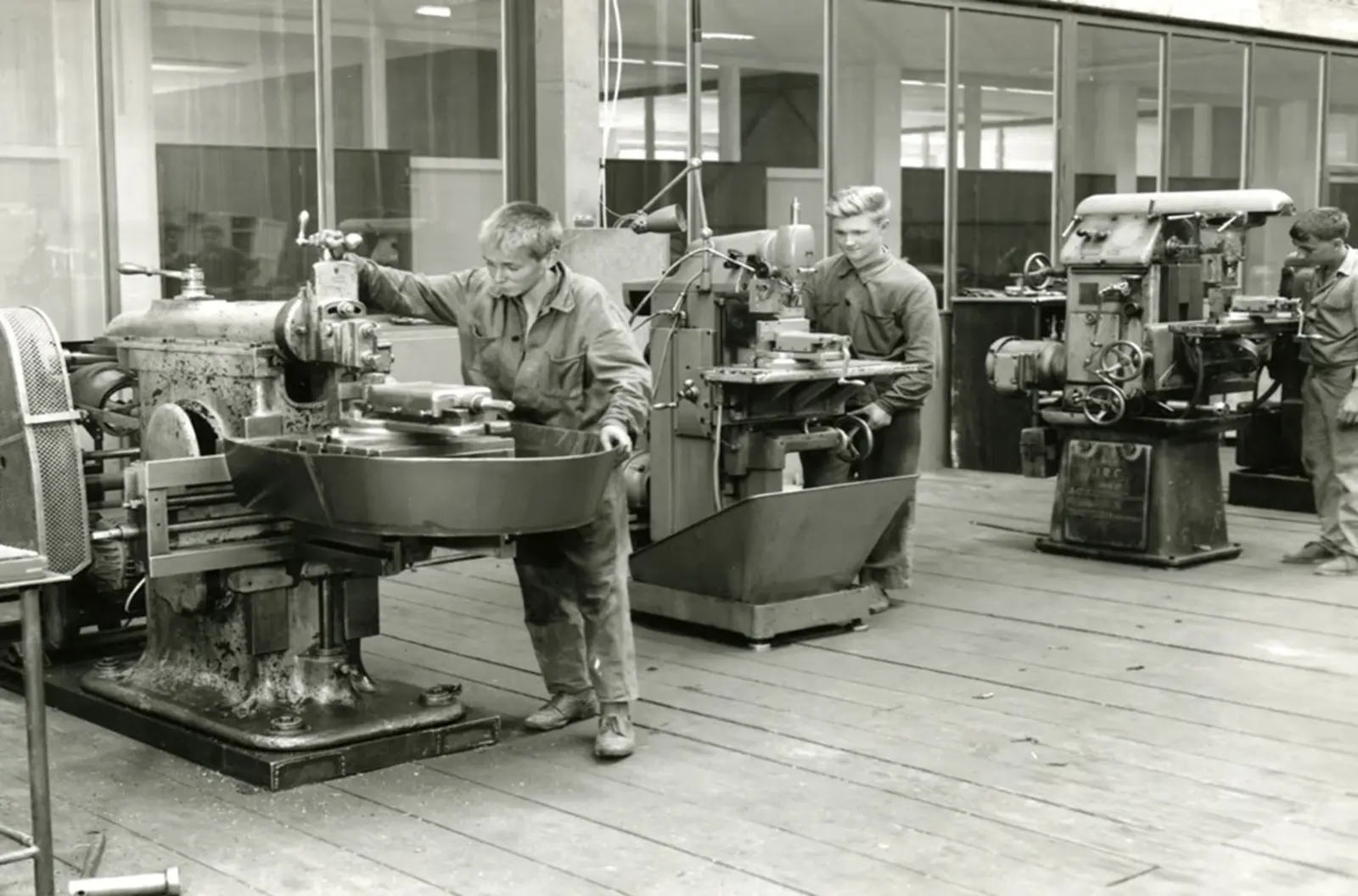
In the 1950s and 1960s, much of what is now automated at Plansee was still done by hand. At the time of the great post-World War II economic boom, the plant was still more of a workshop than an industrial enterprise. However, the knowledge, skill, and dedication of the employees, combined with the expertise and know-how of the company’s founder, ensured that Plansee was already known even then as a world-leading specialist in the processing of molybdenum and tungsten.
Due to his forced exile in the U.S. during World War II, Paul Schwarzkopf had an excellent network overseas and promoted the growth of his company. In addition to America and the Benelux region, Plansee continued to expand in Europe during the 1960s, as well as into Japan and India.
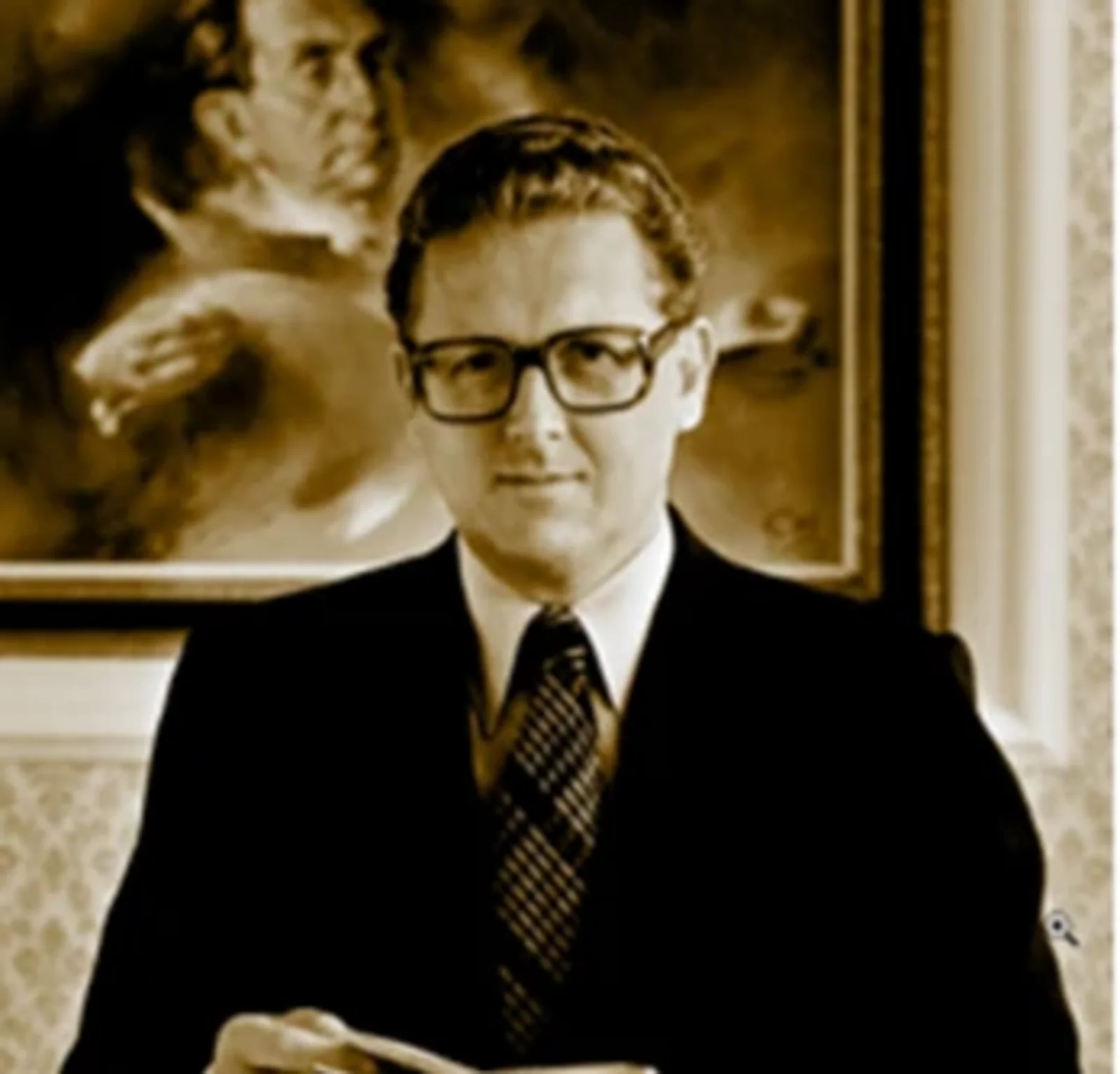
Following the death of his father, Walter Schwarzkopf takes over the management of the company. He sets standards in employee development, establishes a new corporate culture, and develops the company from a family business into a professionally managed private company.
Following the untimely death of Walter Schwarzkopf in 1978, his wife Hilde represents the interests of the owning family on the Supervisory Board. She entrusts a management team led by Rudolf Machenschalk with the management and further development of the company.
To this day, "the fire" marks the history of Plansee in Reutte. In 1996, a devastating fire destroys the entire sintering plant as well as the neighboring carbide production building.
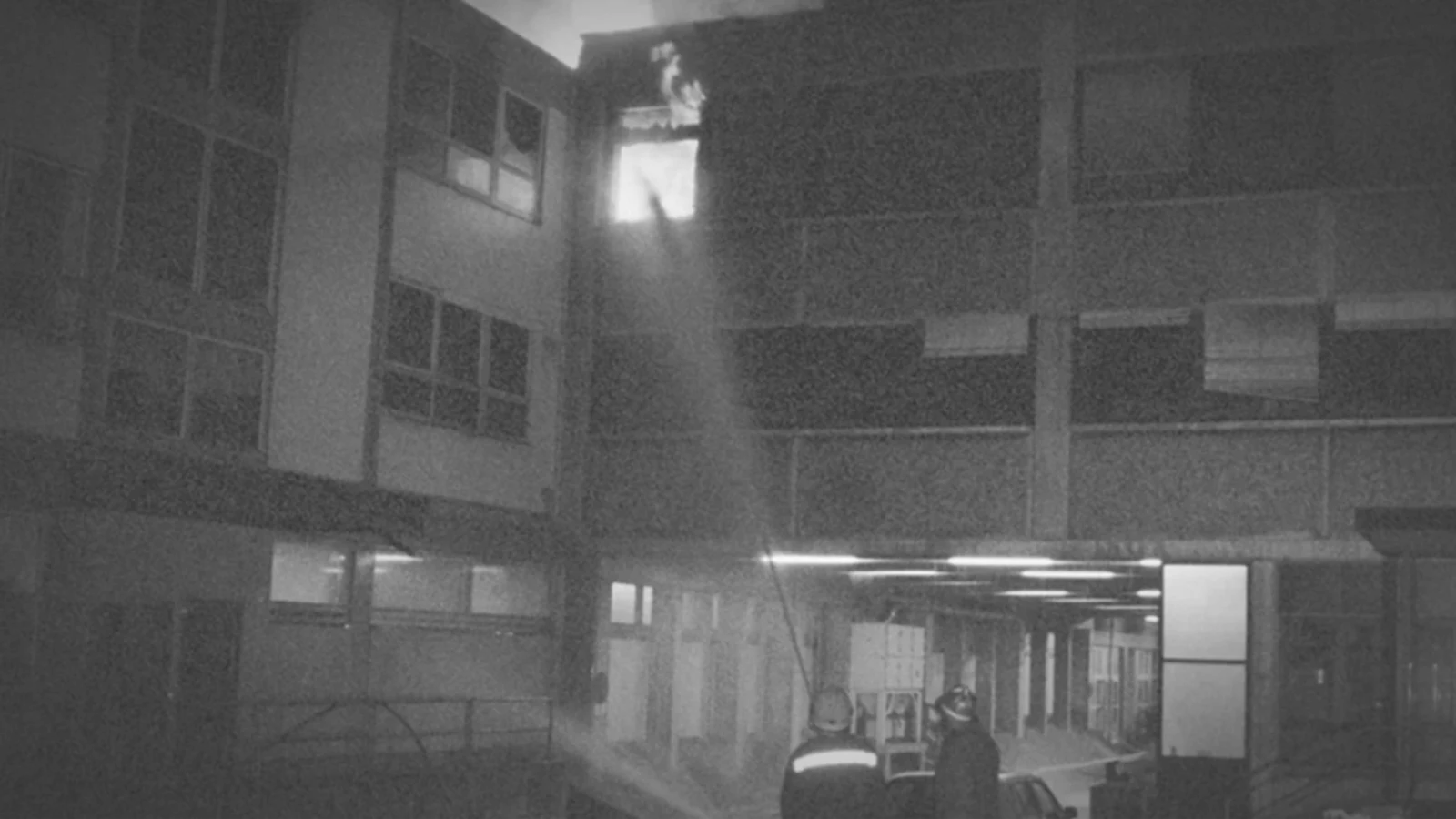
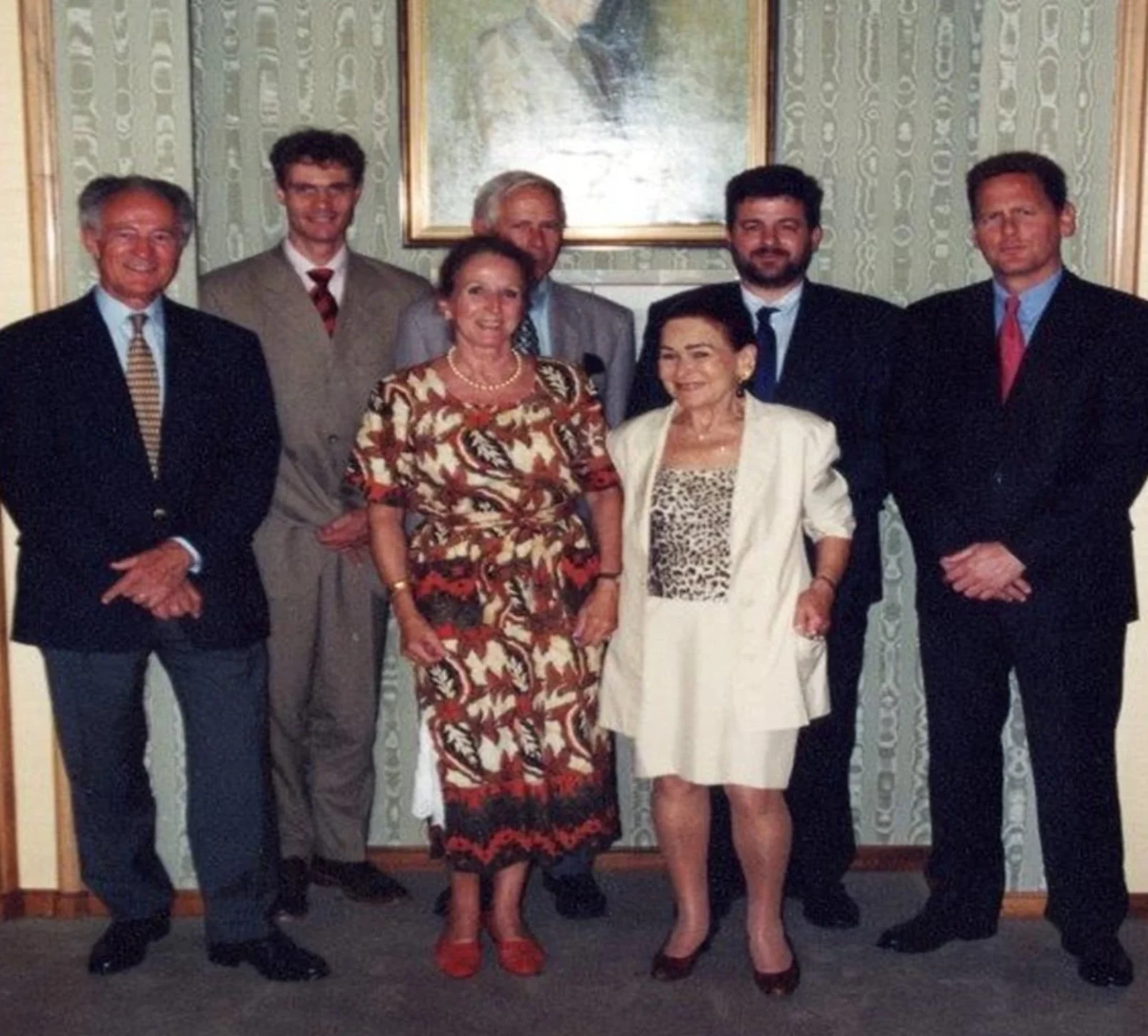
Hundreds of employees fear for their livelihoods, but owner Hilde Schwarzkopf is undeterred. While the firefighters are putting out the last flames, she stands in front of the gathered workforce and declares: "We will rebuild!" And rebuild she does, together with the employees. The undertaking costs a great deal of time, energy, and money. But even now, the people in Außerfern associate passionate commitment to the company, employees, and the region with the Grande Dame of Tirolean industry.

In 2002, Plansee Tizit and the Luxembourg company Céramétal merge to form the new carbide specialist Ceratizit. Today, the company with headquarters in Luxembourg is one of the world's leading companies specializing in cutting tools and hard material solutions.
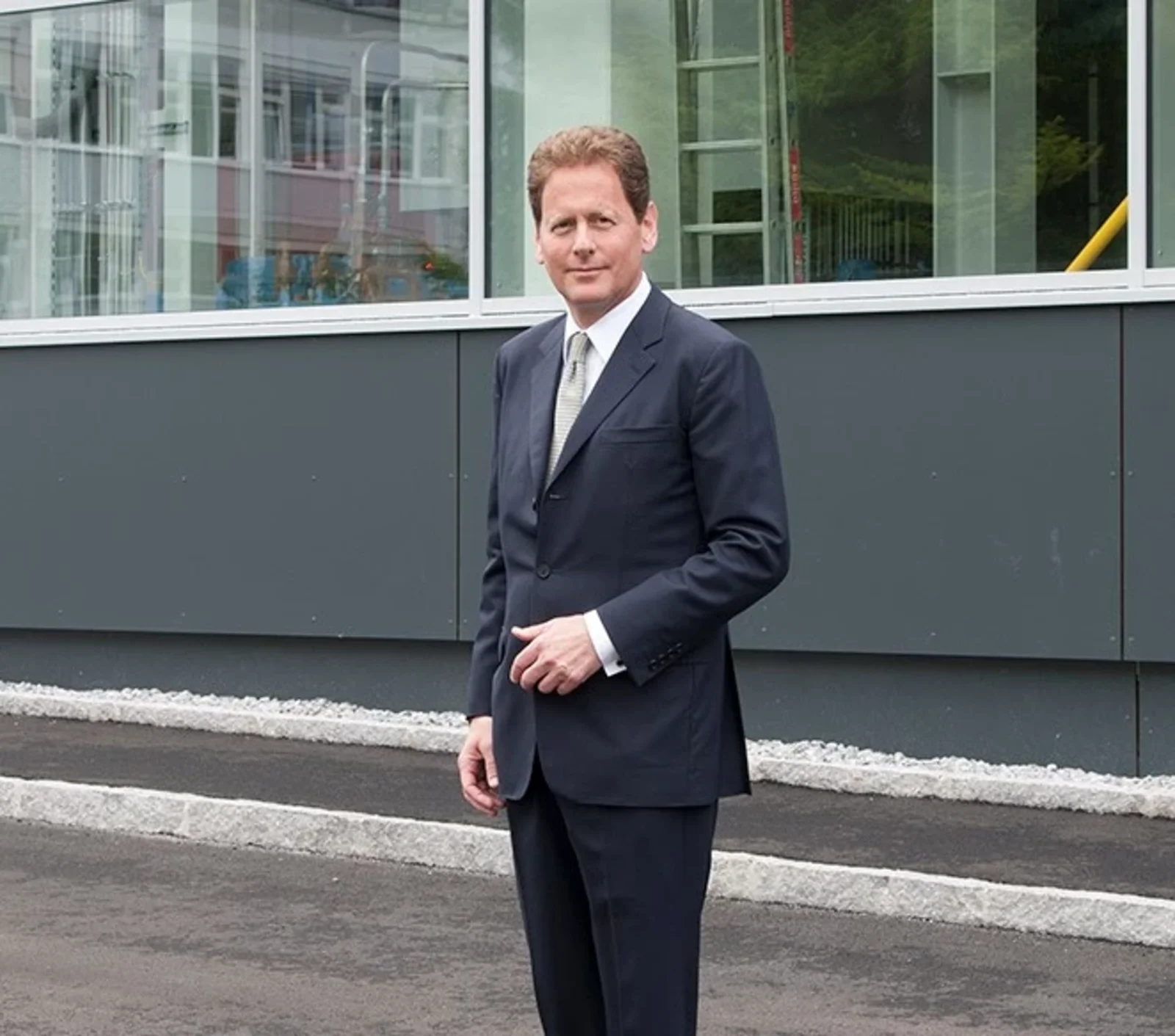
Since 1996, Michael Schwarzkopf, grandson of the company founder, has been driving forward global expansion as Chairman of the Executive Board of the Plansee Group. In 2008, the Plansee Group acquires the American company Global Tungsten & Powders in order to safeguard the raw material supply of tungsten. From 2011, there is gradual investment in the Chilean company Molymet with a view to strategically safeguarding the supply of molybdenum.
In 2021, the Plansee Group celebrates its 100th anniversary.


The Plansee Group has gone through many phases and experienced both crises and new highs to get to where the company stands today. We have been producing strong products and tools from molybdenum and tungsten for more than 100 years. Our materials open up a multitude of applications in our highly technical world. All this is made possible thanks to our experience, our strong values, and our employees, who give their best day in, day out in order to find the best solutions for our customers.
You may also be interested in:


